Where it started
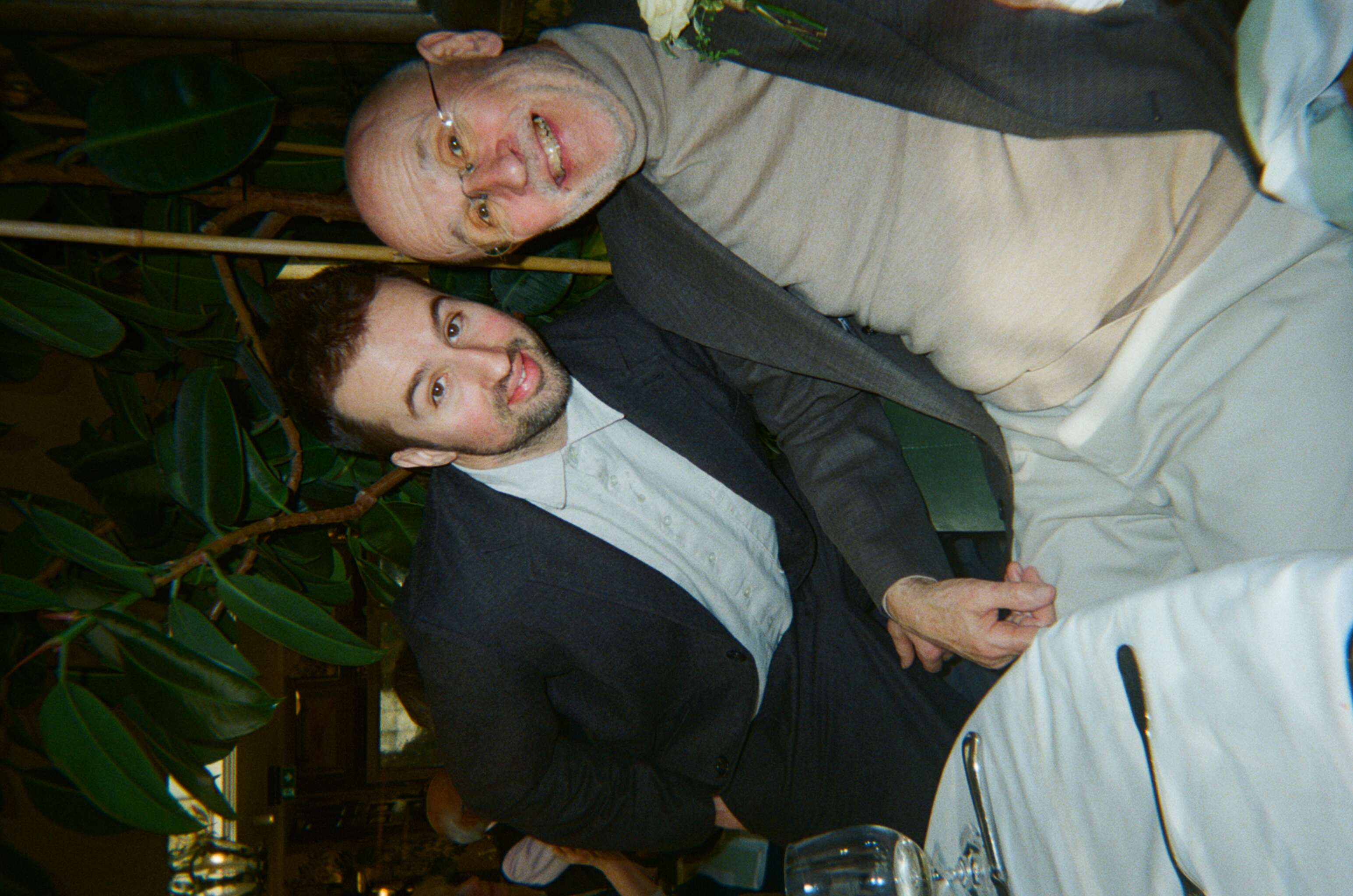
My dad brought a friend
to every appointment.
When my dad was diagnosed with cancer, he quickly realised that the appointments were hard to navigate alone. The information was dense, the language was clinical, and the stakes were high. So he did something practical: he brought a friend. Someone to take notes, ask questions, catch the things he missed.
It helped. But some of his treatment was time-sensitive, and looking back, he wished he'd asked more — had a clearer record of what was said, what the options were, what the timeline looked like. The information existed. It just didn't stay with him.
"Not everyone has that friend. ListenIn is for everyone who doesn't."
My own experience
I sat in that waiting room
with a list of questions.
A few years ago I was diagnosed with severe arthritis at 35. What started as a hip strain that wouldn't heal ended with an X-ray showing significant joint damage. I was referred to a consultant.
Sitting in that waiting room, I ran through every question I wanted to ask. But the moment the consultant told me there was nothing they could do, my mind went blank. I almost didn't want to ask questions — because then it wouldn't feel as bad, and I could go back to living my life.
The medical jargon, combined with receiving difficult news, made it almost impossible to take in what was being said. I left with some understanding — but not enough. I wanted to book a follow-up. The wait was six months.
I left with no notes. Friends and family asked how the appointment went, made well-meaning suggestions. But I had nothing to share — no record of what had actually been said. The information was lost in the system. Or in my memory, which amounts to the same thing.
The bigger picture
A documentary filmmaker learns to listen differently.
Before building ListenIn, I spent years as a documentary filmmaker — self-shooting, directing, sitting across from people in their most important moments and asking them to trust me with their story. You learn quickly that the most important thing in any room isn't the camera. It's the question. And what happens after the question is asked.
My experience with arthritis wasn't the most serious version of this problem. It happens to people receiving a cancer diagnosis. To parents fighting for their child's school support. To people whose right to remain in this country depends on what gets said in a single meeting.
"The feeling is the same: you're in the room, and the information isn't yours."
ListenIn started as a way to fix that. To give people back what was said. In their language. On their terms.
What we're building
A quiet helper
in every room that matters.
ListenIn is built on one idea: that the information exchanged in important meetings belongs to the people in them — not just to the system. We're starting with the rooms that feel most overwhelming. Doctor's offices. Benefits assessments. School meetings. Legal consultations. Housing hearings.
We think clearly worded, accessible records of what was said can change outcomes. We're building towards that — one meeting at a time.
Ready to try it
before your next appointment?
Try ListenIn free →
No account needed · Nothing stored without your permission